The Philly cheese steak has traveled further from home than almost any sandwich in America, and it survives the trip because its method is portable: thin beef, a screaming hot griddle, cheese melted into the meat, a sturdy roll. In Cherryville, far from South Philadelphia, the sandwich holds its own on grill menus next to burgers and club sandwiches. Here is what makes it work, and how to tell a good one from a roast beef sandwich wearing the name.
The build, step by step
- Slice the beef thin. Ribeye or a similar cut, shaved thin so it cooks in seconds and stays tender rather than chewy.
- Season and chop on the griddle. The meat cooks on the flat top with onions, chopped together so the edges crisp and the juices mingle.
- Add peppers or mushrooms if they are yours. Traditionalists argue. Grills in North Carolina usually let the customer call it.
- Lay the cheese over the meat on the grill. American or provolone, melted into the chopped beef, not placed cold on top afterward.
- Load it into a warmed roll. The roll is filled directly from the griddle, which steams the bread slightly and binds the sandwich together.
Where imitations go wrong
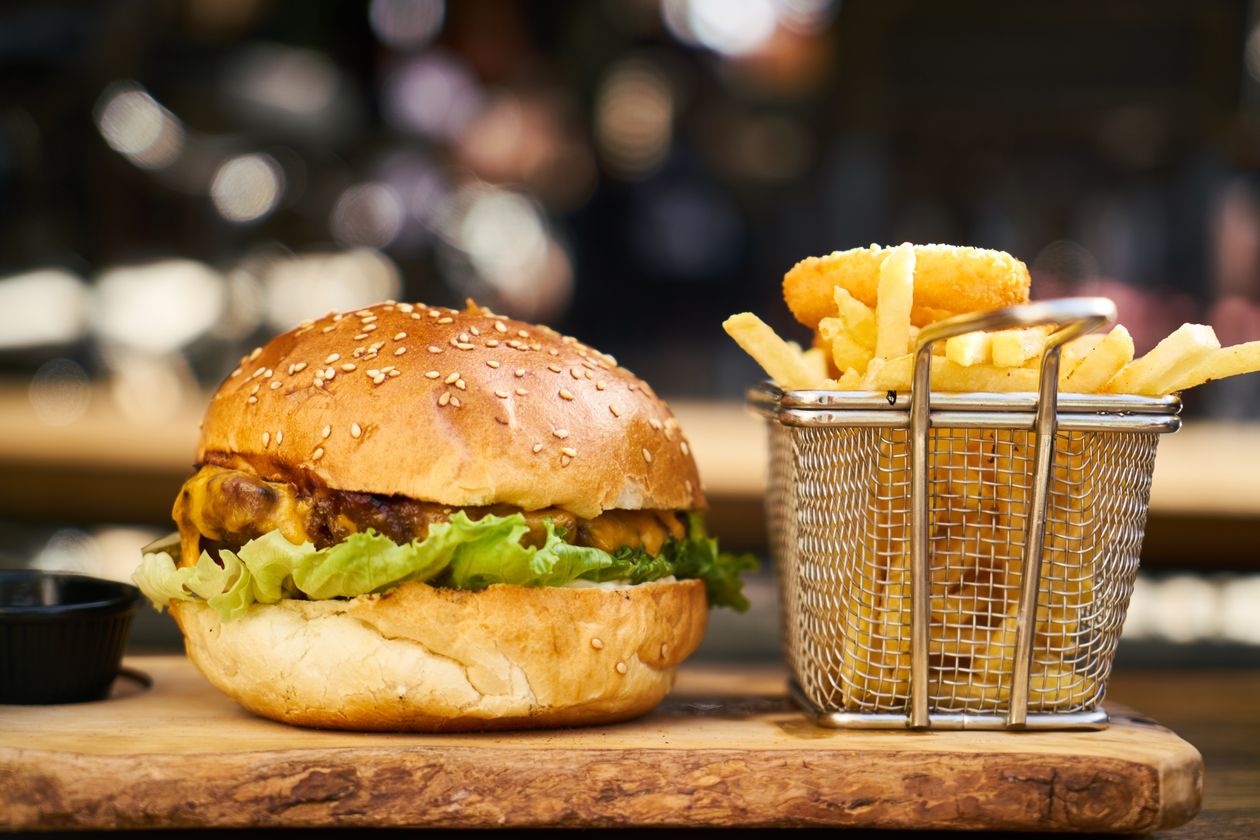
The common failures are thick sliced beef, which eats like a steak sandwich and chews entirely differently, and cheese treated as a topping rather than an ingredient. In a true cheese steak the cheese is folded through the hot chopped meat until the filling moves as one thing. If the cheese is a cold slice laid on top at the pass, the sandwich will separate into layers in your hands, and the griddle work was wasted.
The roll matters as much as the filling. It needs a crust with some chew and a soft interior that can absorb juice without disintegrating. A soft hamburger bun collapses. A hard baguette fights back. Grill kitchens that serve the sandwich regularly stock a roll for it, which is its own small sign of seriousness.
The great topping argument, settled locally
Philadelphia argues about onions, peppers, and mushrooms with genuine feeling. Everywhere else, including North Carolina, the practical rule is simpler: fried onions are the baseline, peppers and mushrooms are welcome if you like them, and nobody at the counter will stage a protest either way. Order it the way you will enjoy it. The sandwich crossed a thousand miles to reach Cherryville. It can survive green peppers.
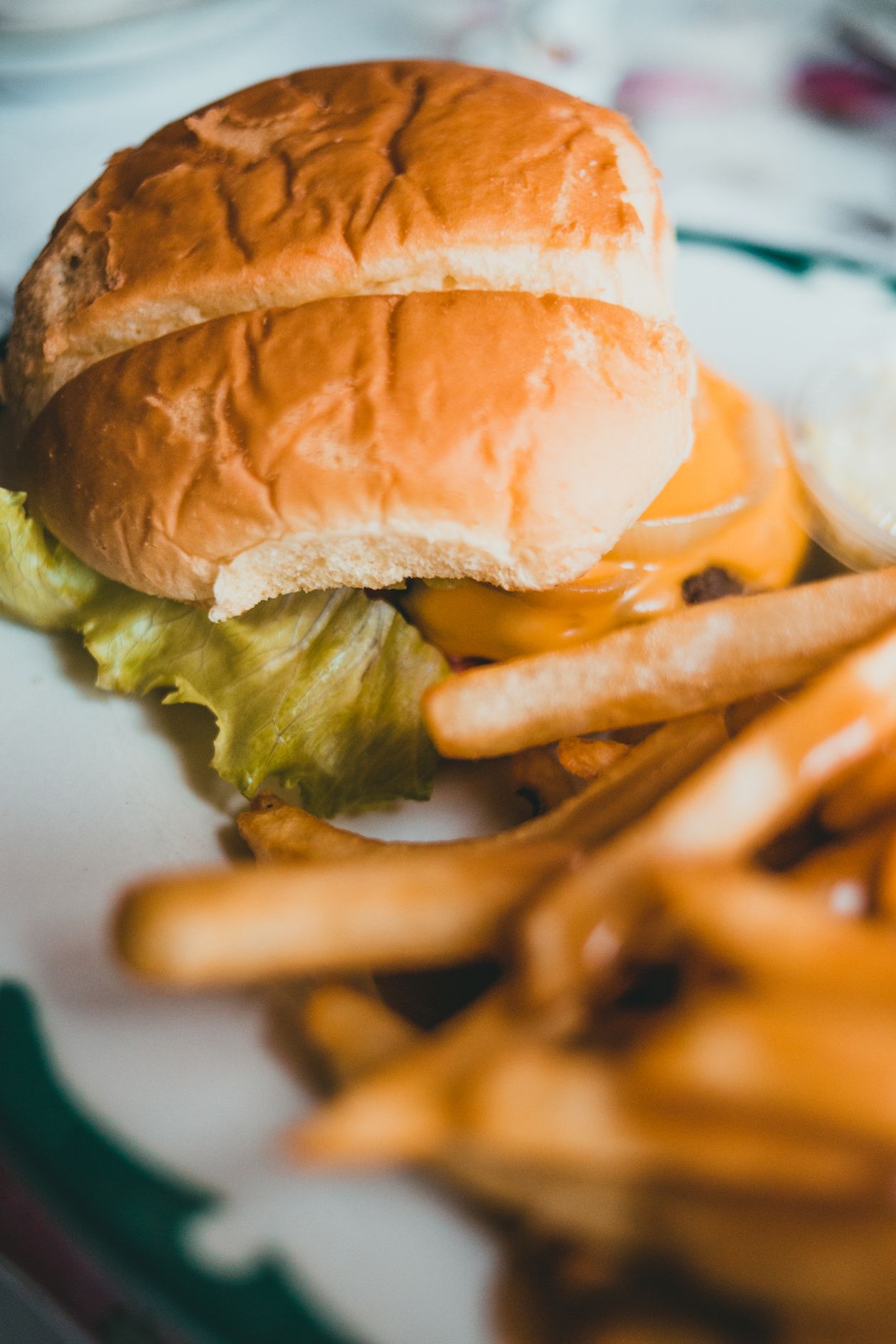
Pair it the grill way, with fries and a cold drink, and eat it promptly. A cheese steak's peak is measured in minutes, while the roll is still steaming and the cheese still runs. It is not a sandwich that rewards patience.
How the sandwich found Cherryville
The cheese steak's migration followed the same roads as the diner itself. As diners and grills spread the Philadelphia sandwich format through the twentieth century, the cheese steak rode along because it suited the equipment perfectly: a flat top, a pile of onions, cheese by the slice, rolls delivered daily. It asked nothing of a Southern grill that the grill did not already have, which is how regional specialties become national ones. They do not conquer. They fit.
That history also explains the sandwich's easy coexistence with the burger. Both are griddle food, built for the same surface, the same cook, and the same lunch rush. A grill that can run a proper burger station can run a proper cheese steak with one new habit, the chopping of meat and onions together, and most of the good ones in North Carolina learned it long ago. Order both across two visits and you will learn more about a grill kitchen than a month of reviews could tell you.
A note on eating it in the car, since takeout reality demands one. You can, and generations have, but the sandwich grades the experience down: the roll softens, the cheese sets, and the onions migrate. If the drive is more than a few minutes, you are eating a good sandwich instead of a great one. The cheese steak is the strongest argument on the whole grill menu for sitting down at the counter, where it was designed to be eaten, within arm's reach of the steel it came off.
Common questions
What cut of beef is used for a cheese steak?
Traditionally ribeye, shaved very thin. The thin cut is essential: it cooks in seconds on the griddle and stays tender enough to bite through cleanly.
What cheese goes on a cheese steak?
American and provolone are the most common, with cheese sauce a Philadelphia variation. The key is melting it into the meat on the griddle, not laying it on after.
Why does the roll matter so much?
The roll has to hold a hot, juicy filling without collapsing or fighting back. A crusty, soft centered roll is part of the recipe, not packaging.
Photos in this guide are representative stock images.
← All guides from Mac's Grill← Back to Mac's Grill